

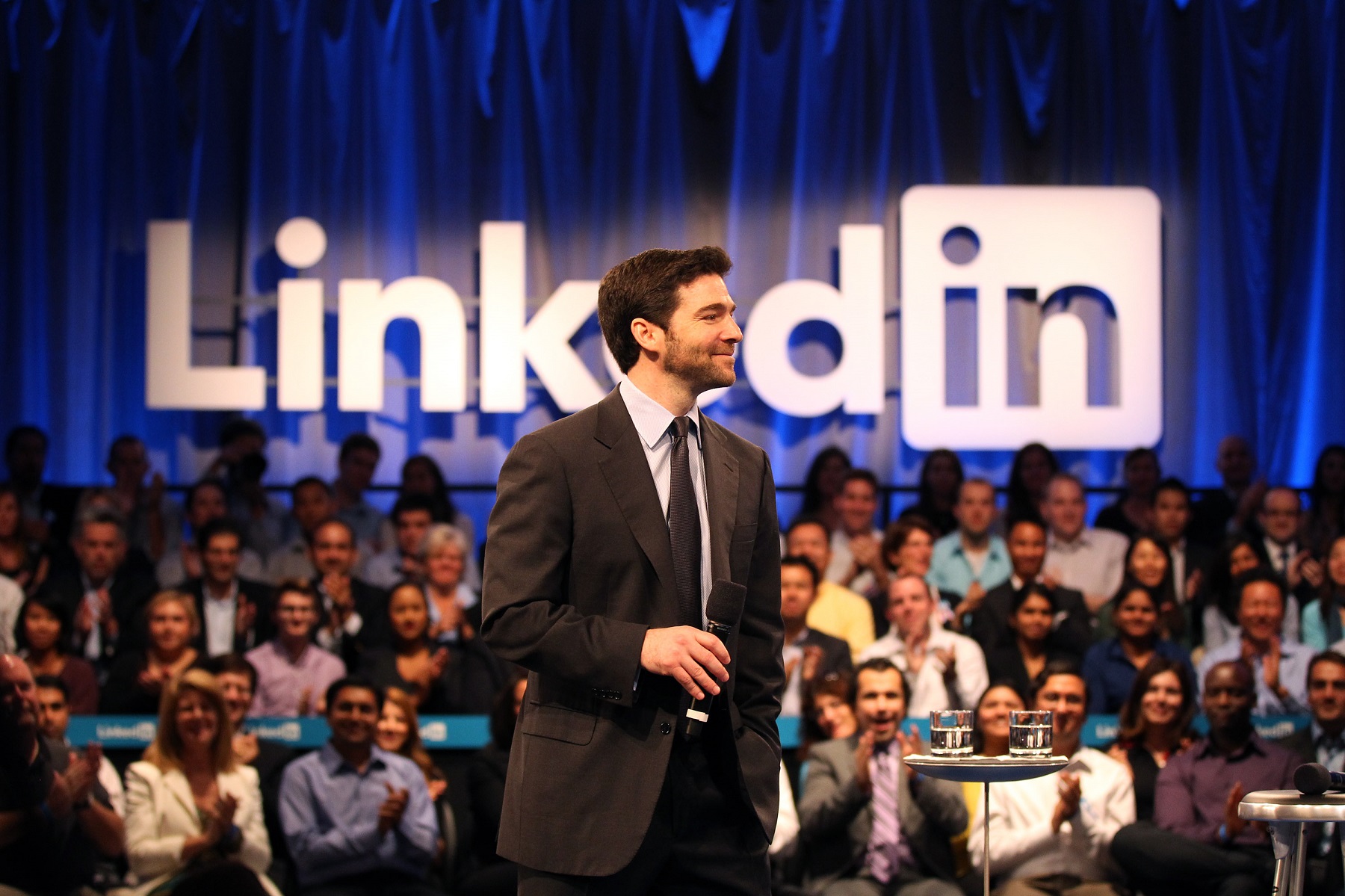
The Quiet Force Behind LinkedIn: How Jeff Weiner Built Authority Without Volume
Principal Voice Series — Week 4 of 7
By Steph Pliha, Founder & Principal, Tribe Consulting
Some leaders scale companies by dominating a room.
Jeff Weiner did it by steadying one.
In a tech world often defined by big personalities and big statements, Weiner built authority by being the opposite: calm, consistent, and deeply intentional. He didn’t rely on noise, theatrics, or the founder-as-superstar model. Instead, he built a Principal Voice rooted in compassion, clarity, and operational discipline—and in doing so, transformed LinkedIn from a professional directory into a global platform with real cultural influence.
This week in the Principal Voice Series, we shift from contrarian volume (Elon Musk) to the soft-spoken operator—a leader who proves that authority doesn’t require noise. It requires alignment.
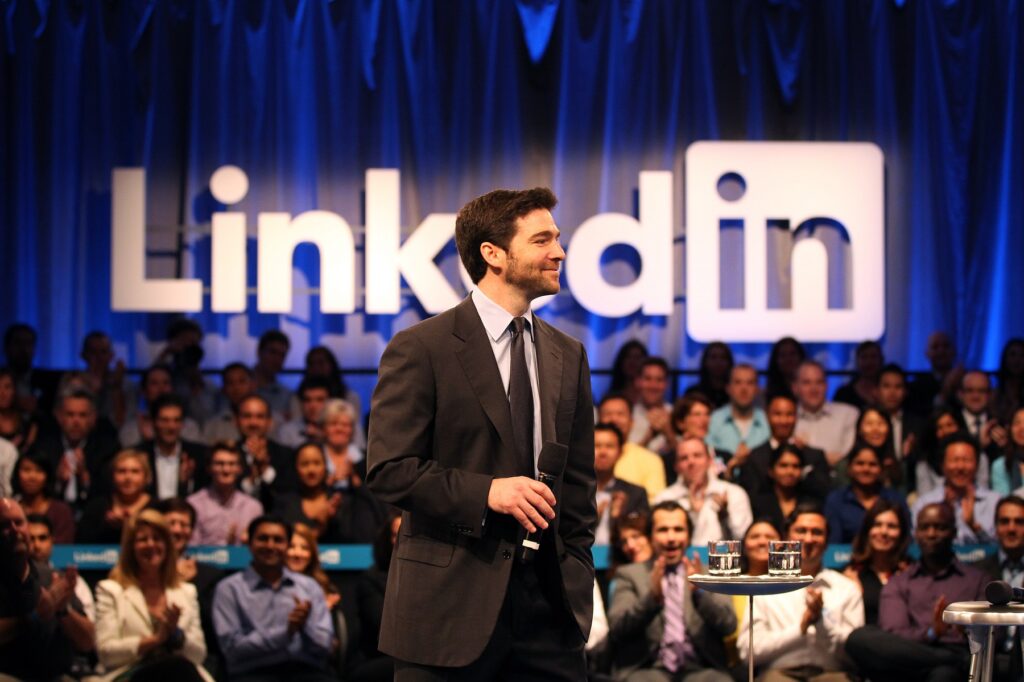
The Myth That Loud Leaders Lead Better
We still glorify leaders who walk fast, talk fast, and dominate the space around them. But the truth is, corporate history is full of quiet operators who scaled companies precisely because they didn’t overpower the room.
Weiner’s leadership style challenged every default assumption about what it looks like to lead at scale:
- He spoke softly, but with unmistakable clarity.
- Emphasized compassion—not as a buzzword, but as a management tool.
- Made communication predictable and simple.
- Used calm as a competitive advantage.
If Week 3 was about intelligent contrarianism, Week 4 is about intentional calm and why it’s one of the most underrated executive advantages today.
Compassion as a Strategic Framework
(A flex rarely taught but constantly needed)
Most CEOs treat compassion like an inspirational poster. Weiner treated it like an operating system.
His well-documented framework of “managing compassionately” wasn’t created to make LinkedIn feel softer, it was designed to make the company run better. Compassion allowed him to:
- remove friction inside teams
- close communication gaps
- handle conflict faster
- recruit and retain high-EQ talent
- create psychological safety in hyper-growth environments
Compassion wasn’t softness.
It was precision.
Leaders often underestimate how much performance comes from emotional clarity. People work harder for leaders they trust. They open up faster. Move through conflict with less damage. They take bolder risks.
A compassionate leader doesn’t make decisions based on emotion—
they make decisions that allow the organization to think clearly.
That is a Principal Voice.
Clarity > Motivation
If compassion was Weiner’s stabilizer, clarity was his accelerant.
He repeated the same message across every channel, town halls, internal decks, interviews, strategy sessions, until the mission became muscle memory across the organization.
Key pattern:
He communicated so clearly that ambiguity had nowhere to hide.
Where other CEOs talk in sweeping metaphors or complicated frameworks, Weiner’s communication style was simple enough that anyone inside LinkedIn could repeat the company’s priorities in under 10 seconds.
Clarity scales companies.
Confusion burns them to the ground.
When a CEO speaks with consistency, teams move faster because they’re not wasting cycles interpreting mixed signals. Clarity creates commercial velocity.
This is where most MedTech CEOs get stuck:
they believe competence speaks for itself.
It does not.
Clarity speaks for competence.
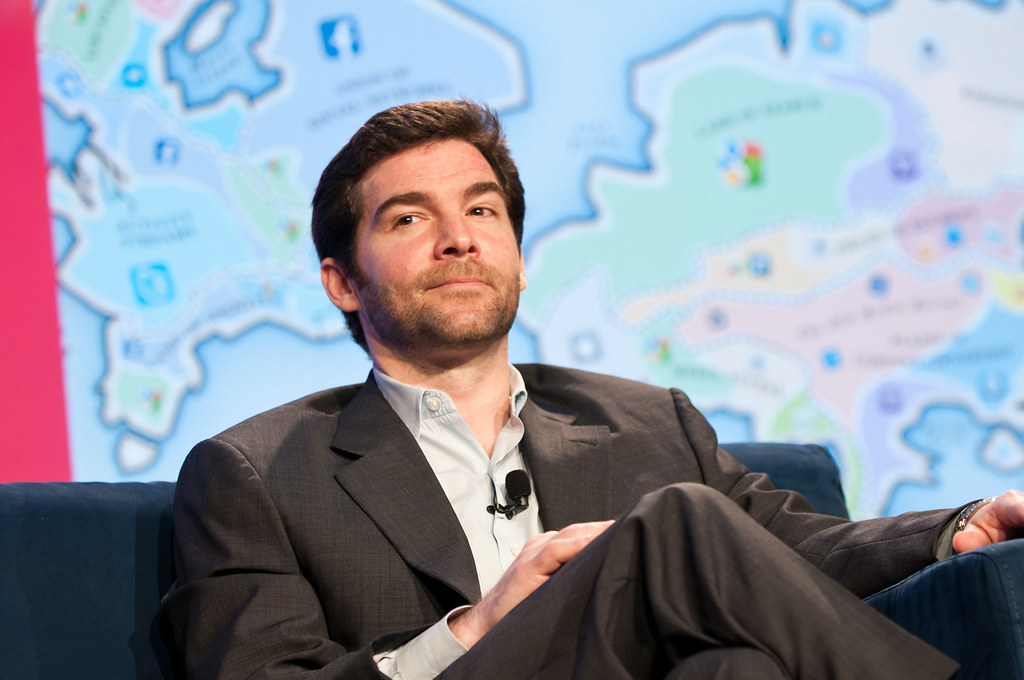
Calm Is a Competitive Advantage
Leadership often means absorbing volatility so your team doesn’t have to.
Weiner was known for his steady tone, his unflappable demeanor, and his ability to stay grounded even in periods of aggressive scaling or external pressure.
Calm creates authority because:
- it signals confidence
- it reduces organizational anxiety
- it stabilizes decision-making
- it builds credibility with investors
- it anchors the company narrative
Calm leaders naturally become trusted leaders.
And trusted leaders scale faster because people don’t question the foundation underneath them.
During my 12 years at Intuitive, I saw this pattern repeatedly.
The leaders who created the most commercial lift weren’t the loudest—they were the ones whose presence pulled the room into alignment. They didn’t inflate energy; they regulated it.
Jeff Weiner mastered this as well.
And LinkedIn scaled because of it.
What Modern CEOs Can Learn From Jeff Weiner
You do not need to be a contrarian to build authority.
You don’t need to be a performer.
And you do not need the loudest point of view.
Your Principal Voice can be:
- soft-spoken
- introspective
- measured
- emotionally intelligent
- consistent
- calm under pressure
What matters is that your voice becomes recognizable, consistent, and strategically aligned with the future you’re building.
Here’s the architecture CEOs should borrow from Weiner:
1. Lead through compassion, not fear
Fear creates compliance.
Compassion creates commitment.
2. Use clarity as your operating system
If your team can’t repeat your priorities, they’re not your priorities.
3. Show up consistently—not dramatically
Authority is built in repetition, not performance.
4. Treat calm like an asset
Your energy sets the emotional tone of the company.
5. Build a narrative that aligns talent, investors, and the market
The clearer your worldview, the faster your company moves.
Why This Matters for Brand Echo
Jeff Weiner proves something crucial:
Authority isn’t dependent on personality.
Authority is dependent on architecture.
Every CEO has a Principal Voice—most just haven’t built it.
Brand Echo exists to operationalize that voice in three dimensions:
- Principal Voice® — your worldview, narrative, and leadership clarity
- Tribe Studio™ — video strategy that amplifies your communication style (whether bold or soft-spoken)
- GhostPR™ — strategic visibility and earned authority
- Brand Echo — the full system that turns your leadership presence into commercial momentum
Whether you lead like Musk or like Weiner, the outcome is the same:
a leader with a principal voice people can trust, repeat, and rally behind.
This is how categories are shaped, markets accelerated, and companies scaled.
Join the Brand Echo Waitlist

Launching January 2026.
Limited early access.





























































Read the Comments +