


AGI Is Closer Than We Think: What It Means for Business, Humanity, and the Future of Medical Innovation
Artificial General Intelligence (AGI) is no longer a distant theory discussed only in academic circles. It has entered mainstream business, technology, and healthcare conversations as a near-term reality. While predictions vary, many experts believe early AGI systems could emerge before the end of the decade, with meaningful adoption even sooner.
Once AGI becomes mainstream, it will not simply change how work gets done. It will expand what is possible across industries, especially in medicine. To understand its potential impact, it is essential to start with clarity. Much of the current discussion around AGI lacks a clear definition, leading to unnecessary hype, fear, or misunderstanding.

What AGI Actually Is
Artificial General Intelligence refers to an AI system capable of performing any cognitive task a human can do. Unlike today’s narrow AI tools or AI agents, which are designed for specific functions such as language generation, image creation, or data analysis, AGI is defined by its ability to generalize across domains.
An AGI system can:
- Reason and plan across complex problems
- Learn new skills without retraining from scratch
- Understand context and intent
- Adapt knowledge from one domain to another
- Solve multi-step, abstract challenges
This transition from task-specific intelligence to general intelligence represents a fundamental shift in how technology can support human decision-making, discovery, and innovation.
What AGI Is Not
AGI is often misunderstood. It is not:
- A conscious or sentient being
- A replacement for human judgment or leadership
- A system with desires, emotions, or intent
- An inherently dangerous technology
AGI remains a tool. A powerful one, but still a system created and guided by humans. The risks associated with AGI are not rooted in consciousness, but in how responsibly the technology is designed, deployed, and governed.
Early Signals of AGI Are Already Emerging
While true AGI has not yet arrived, many foundational capabilities are already visible in current AI systems:
- Advanced reasoning and explanation of decision pathways
- Autonomous agents capable of completing multi-step workflows
- Cross-modal intelligence spanning text, images, audio, video, and code
- Models that improve performance through feedback and iteration
- AI systems contributing to scientific discovery
One of the most widely recognized examples of this progress is documented in The Thinking Game, a film now on YouTube that chronicles DeepMind’s pursuit of general intelligence. The documentary highlights how AI systems are already solving problems that have challenged scientists for decades.
A defining moment was the success of AlphaFold, which accurately predicted protein structures and effectively solved a 50-year-old biological problem. This breakthrough alone demonstrated that AI is no longer limited to pattern recognition or automation. It can generate entirely new scientific insight.

When AGI Is Likely to Go Mainstream
Mainstream adoption does not require perfect or fully autonomous AGI. It means systems that are:
- Widely accessible
- Embedded into everyday tools
- Used across industries
- Adopted by non-technical users
A realistic timeline based on current progress:
- 2025–2027: AGI-like capabilities integrated into commercial platforms
- 2027–2030: Widespread use of AGI-enhanced systems in research, medicine, and operations
- Beyond 2030: AGI becomes a foundational layer of modern infrastructure, similar to the internet
The transition is likely to feel gradual in real time and obvious only in hindsight.
The Impact of AGI on Business
AGI will reshape how organizations operate across every function.
Productivity and Scale
AGI systems will handle research, analysis, modeling, and simulation at speeds far beyond human capacity. Strategy development, scenario planning, and documentation will be accelerated dramatically.
Role Evolution
Rather than replacing humans, AGI will remove repetitive cognitive labor. Human roles will increasingly center on judgment, creativity, ethics, leadership, and decision-making.
Competitive Advantage
Smaller teams will gain access to capabilities that were once exclusive to large enterprises. Barriers related to cost, time, and access to expertise will continue to collapse.

What AGI Means for Medical Innovation
The most profound impact of AGI is likely to occur in medicine, including MedTech, Biotech, HealthTech, and pharmaceutical development.
Once AGI becomes mainstream, it has the potential to accelerate progress in areas humanity has struggled with for centuries:
- Cancer research and early detection
- Chronic and autoimmune diseases
- Neurodegenerative and rare diseases
- Drug discovery and biologic therapies
- Personalized and precision medicine
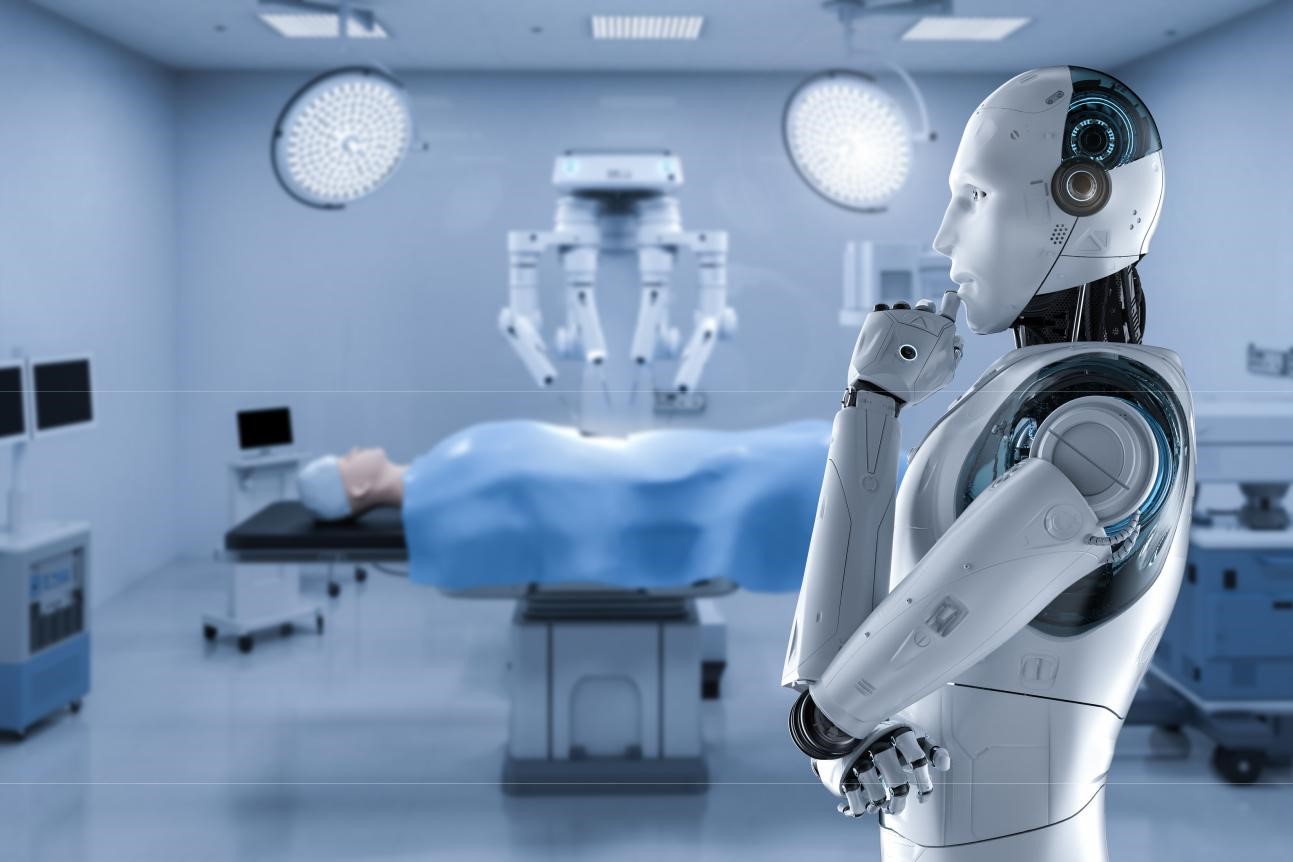
- Intelligent medical devices and surgical robotics
- Virtual clinical trials and predictive modeling
The AlphaFold breakthrough serves as a precedent. By understanding protein structures at scale, AI opened new pathways for drug development, biologics, and disease modeling that were previously inaccessible.
With AGI-level systems, medical innovators may be able to:
- Simulate treatment outcomes before human trials
- Design personalized therapies based on patient-specific data
- Reduce drug discovery timelines from years to months
- Model disease progression at the systems level
- Test medical devices in virtual patient populations
AGI does not replace medical innovation. It amplifies it, enabling faster discovery, better outcomes, and broader access to advanced care.
The Broader Impact on Humanity
Beyond business and medicine, AGI will influence how society relates to knowledge and problem-solving.
As information becomes abundant and instantly accessible, the human role shifts toward interpretation, discernment, and ethical decision-making. Creativity becomes collaborative, with humans and AI systems working together to explore solutions at scale.
The most significant challenge will not be technical, but philosophical and ethical. As capabilities increase, responsibility must increase alongside them.
How Organizations Can Prepare Now
Preparing for AGI does not require waiting for a single breakthrough moment. Practical steps can begin today:
- Build foundational AI literacy across leadership teams
- Integrate AI tools into research, operations, and strategy workflows
- Design systems that scale human decision-making, not replace it
- Strengthen clear leadership communication and narrative clarity
- Establish ethical frameworks for AI use early
Organizations that prepare intentionally will be positioned to lead rather than react.
Final Sentiment on AGI
AGI represents a turning point in human capability. Not because it replaces people, but because it expands what people can solve together. In medicine, it offers the potential to accelerate breakthroughs in cancer, chronic disease, biologics, and diagnostics at a pace never before possible.
The future is not human versus AI. It is human-directed, AI-accelerated innovation. And the organizations that understand this distinction will help define the next era of progress.

Follow, subscribe and tune in to Leadr. Podcast for more on leaders and medical innovators.






























































Read the Comments +